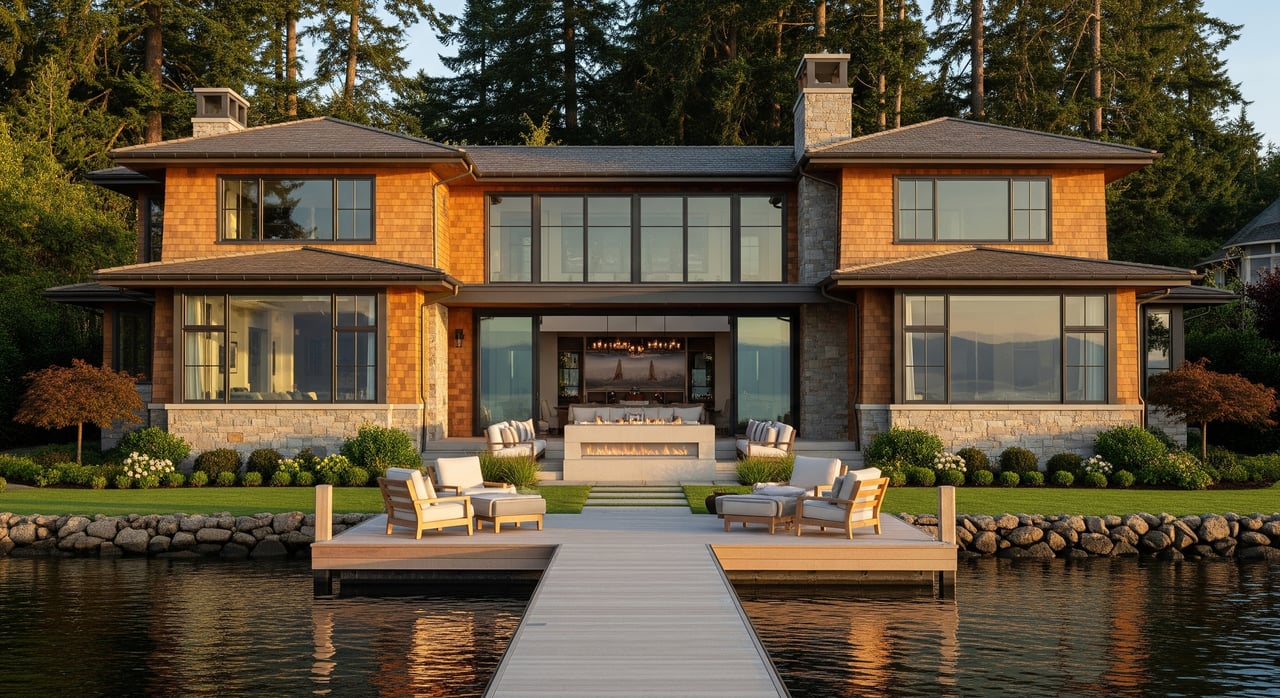
Choosing between Lake Oswego and Beaverton can feel like picking a lifestyle as much as a home. You might be weighing lot size against commute time, or waterfront charm against transit convenience. In this guide, you’ll learn how each city stacks up on housing, commuting, parks and dining, plus a simple decision framework and touring plan so you can move forward with clarity. Let’s dive in.
Quick snapshot: buyer fit
- Lake Oswego: Predominantly single-family homes with larger lots, upscale finishes and a subset of lakefront properties with private lake access. Good if you prioritize privacy, mature landscaping and a refined, waterfront-adjacent lifestyle.
- Beaverton: Wider mix of single-family, townhomes, condos and multifamily options, including many mid-century homes and newer subdivisions. Good if you want more affordability relative to Lake Oswego, lower-maintenance possibilities or closer proximity to west-side employment centers.
- Price context: Lake Oswego trends higher on average; Beaverton typically offers more entry points. Always check current MLS data before making price decisions.
Housing and lot size
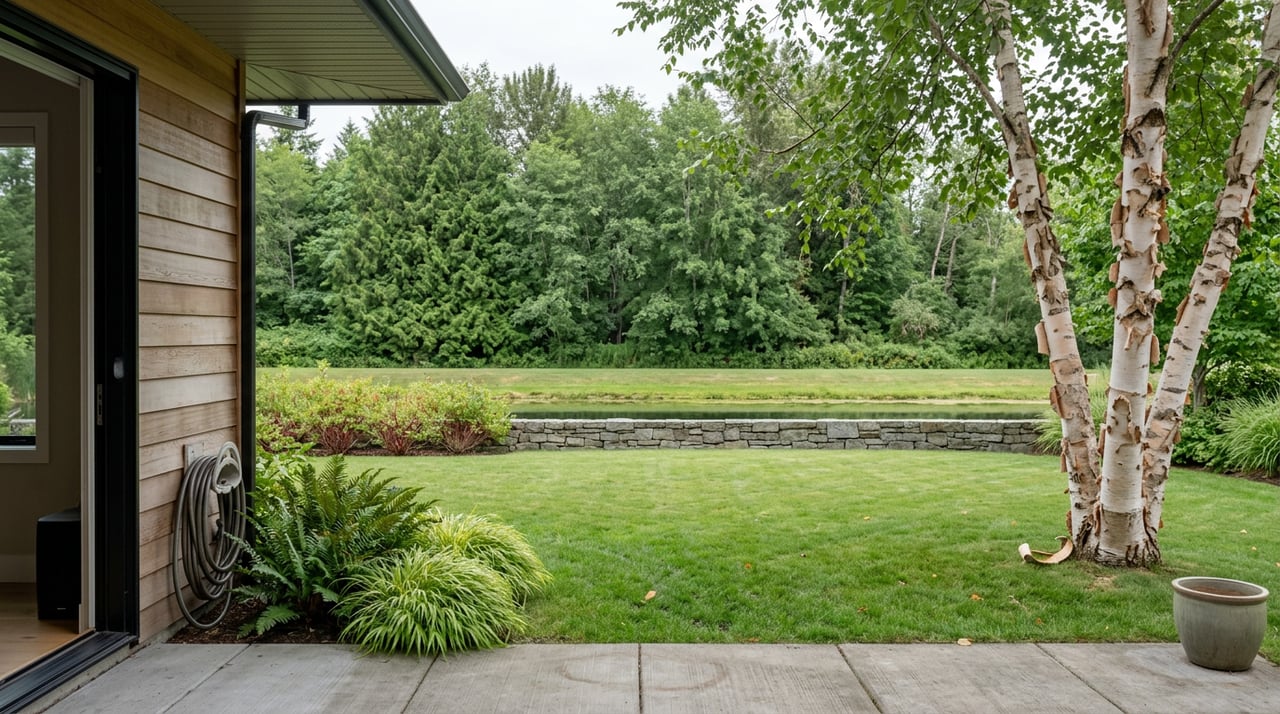
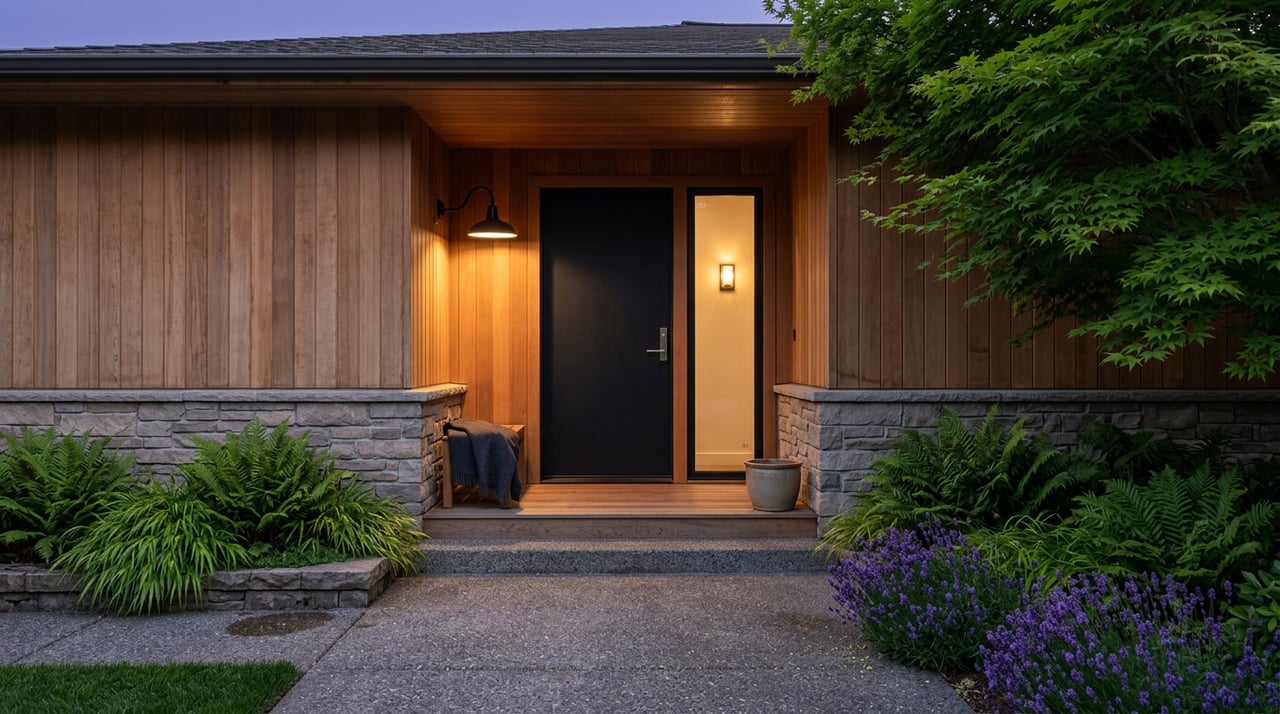
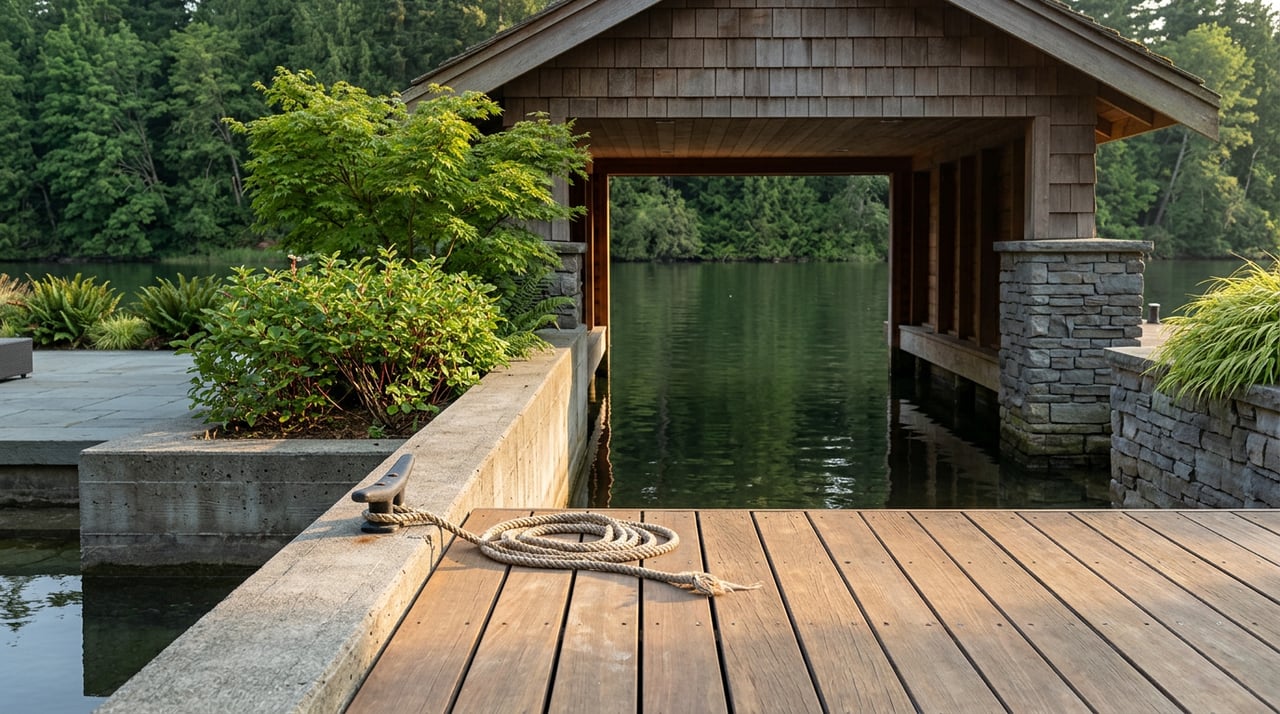
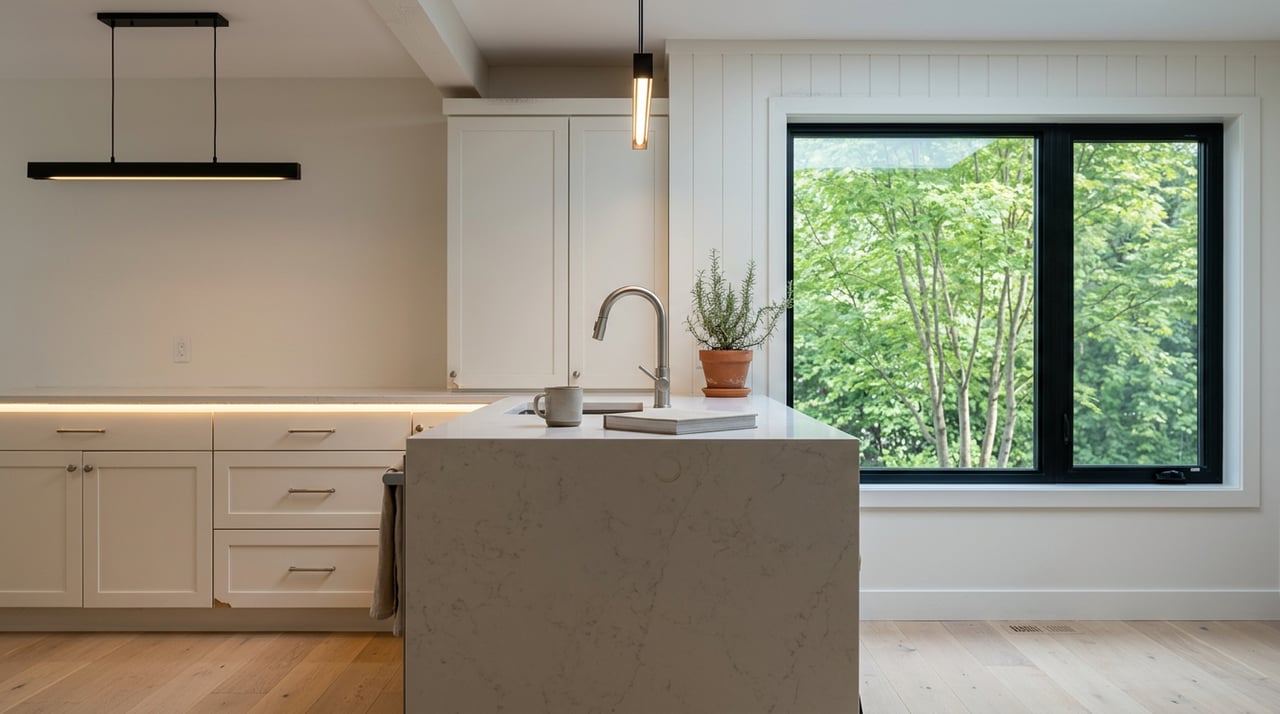
Lake Oswego is known for single-family neighborhoods, elegant remodels and custom builds. Many homes sit on larger lots with mature trees, and some offer private docks or lake access governed by specific agreements. Inventory includes original mid-20th-century homes, luxury renovations and newer construction on infill lots.
Beaverton offers variety. You will find single-family homes, duplexes, triplexes, townhomes and condos, as well as newer planned communities near areas like Murray–Scholls. Lots tend to be smaller on average, and attached options can reduce outdoor maintenance while keeping you close to services.
Commute and transit
If transit matters to you, Beaverton has the edge. The city is served by the TriMet MAX Blue Line via the Beaverton Transit Center and multiple bus lines, with WES commuter rail on select corridors. You can review rail and bus connections on the TriMet system maps.
Lake Oswego does not have direct MAX service. Most residents rely on car commutes or TriMet bus lines with transfers. Driving times to downtown Portland or other hubs depend on congestion along I‑5, I‑205 and OR‑43; peak hours can add time, so testing your route is smart.
Parks, recreation and dining
Lake Oswego pairs waterfront recreation with polished neighborhood amenities. You will find Oswego Lake access for select properties, plus public parks like George Rogers Park and green space across the city. Explore current programs and park details via the City of Lake Oswego Parks & Recreation page.
Beaverton shines for breadth of recreational options. The Tualatin Hills Park & Recreation District operates a large network of parks, trails, community centers and programming throughout the area. Browse facilities and classes on the THPRD website. Dining in Beaverton is known for being more ethnically diverse on average, with growing mixed-use centers in Downtown Beaverton and The Round.
Rules, taxes and site considerations
Oregon’s middle housing laws allow more housing types in many single-family zones. Implementation varies by city, so review current standards with the City of Lake Oswego Planning Division, the City of Beaverton Planning Division and statewide guidance from the Oregon DLCD.
Property taxes differ by county, assessment and local levies. Lake Oswego is primarily in Clackamas County, while Beaverton is in Washington County. Confirm parcel-specific details with the county assessor before you finalize budgets.
If you are considering waterfront or properties near creeks and tributaries, verify floodplain status and shoreline rules. You can look up designations using the FEMA Flood Map Service Center and discuss insurance implications with your lender and insurer. Also review any HOA documents, design review overlays or historic district requirements for exterior changes.
Resale value lens
Long-term value depends on neighborhood, lot size, condition and market cycles. Lake Oswego’s higher price band and constrained supply, especially for larger lots and lake-adjacent homes, can support long-term desirability for move-up sellers. Beaverton’s proximity to major employers and a broader range of product types can attract a diverse buyer pool when you sell.
A simple decision framework
- Step 1: Prioritize non-negotiables. List commute tolerance, minimum lot size, preferred home type, bedroom/bath needs and lifestyle priorities like waterfront access, walkable dining or nearby parks.
- Step 2: Map your job locations. Test your commute at peak and off-peak with Google Maps directions and compare routes against the TriMet system if you will rely on transit.
- Step 3: Run the full cost. Include mortgage, property taxes, HOA dues, insurance needs, utilities and any renovation budget to reach your desired finish level.
- Step 4: Think resale. Decide whether you value scarcity factors like larger lots and lake-adjacent locations or a wider prospective buyer pool driven by price point and proximity to employment.
- Step 5: Check the site and rules. Verify flood zones, shoreline or steep-slope restrictions, and permitting timelines if you plan additions or exterior changes.
Tradeoff matrix: priorities to outcomes
| Buyer priority | Lake Oswego likely outcome | Beaverton likely outcome |
|---|---|---|
| Large private yard | Higher likelihood on average | Possible, often smaller lot |
| Waterfront lifestyle | Select properties offer private lake access | Limited, focus on parks and community centers |
| Lower-maintenance ownership | Fewer townhomes/condos overall | Broader selection of townhomes and condos |
| Transit convenience | Car-oriented with bus connections | MAX light rail, multiple bus lines, WES corridor |
| Proximity to west-side employers | Longer for Hillsboro/Nike commutes | Closer to major west-side employment clusters |
| Upscale dining and boutiques | Strong in downtown and Lake Grove | Growing, more diverse dining on average |
Touring plan and must-ask questions
Target a two-day plan that mirrors your weekly routine.
- Day 1: Do your real-world commute test from target neighborhoods at morning and evening peak. Add a lunchtime stop to gauge dining and walkability. Use Google Maps directions and the TriMet system maps to compare routes.
- Day 2: Visit 3 to 4 active listings in each city. Attend an open house and a private showing. Walk surrounding blocks, visit the nearest park, and note noise, parking and access.
Questions to ask listing agents or sellers:
- How long has the property been on market, and have there been price adjustments?
- Are there HOA rules, lake access agreements or private easements that affect use of the property?
- Have there been recent permits or additions, and were permits finalized?
- Are there known drainage, foundation or flood issues? Can you share seller disclosures and utility history?
- What are typical utility, HOA and local fee amounts?
Due diligence priorities
- Schedule structural and mechanical inspections, and request all repair receipts and permits.
- Verify floodplain status and shoreline or steep-slope rules where relevant.
- Review HOA documents, CC&Rs and design review requirements before removing contingencies.
- Work with your lender and agent on an appraisal and comps analysis that accounts for lot size, finish level and location nuances.
Neighborhoods to preview
- Lake Oswego: Downtown and Old Town along First Street, Lake Grove and Westlake, plus lake-adjacent pockets where access rules may apply.
- Beaverton: Downtown Beaverton near the Transit Center, The Round, Murrayhill and West Beaverton corridors, with a focus on transit and mixed-use convenience.
The bottom line
If you want larger lots, a refined waterfront-adjacent lifestyle and a high-end single-family focus, Lake Oswego is a strong match. If you prefer a broader range of prices and property types, plus direct rail options and quick access to west-side employers, Beaverton likely fits better. Many buyers find clarity by touring both on the same weekend and comparing commutes, parks and daily conveniences side by side.
Ready to compare properties and craft a smart offer strategy? Connect with Rebecca Lee for a concierge plan tailored to your goals. Request a Luxury Consultation & Market Valuation and tour with a broker who combines boutique service with polished, campaign-level marketing.
FAQs
Which city is generally more affordable for move-up buyers?
- Beaverton typically offers more entry-level and mid-range options, while Lake Oswego trends higher on average; always verify current MLS data before deciding.
How do Lake Oswego and Beaverton compare for transit commuting?
- Beaverton has MAX light rail, multiple bus lines and WES on select corridors, while Lake Oswego relies primarily on car commutes and bus connections without direct MAX service.
What are the main lifestyle differences between the two cities?
- Lake Oswego emphasizes lakefront recreation, upscale dining and boutique shopping; Beaverton features extensive THPRD parks, community programs and more ethnically diverse dining on average.
What site and risk checks should I do before making an offer?
- Confirm floodplain status on the FEMA Map, review any HOA or shoreline rules, and verify permits, easements and local design review requirements with the city planning division.
How should I structure a weekend tour to compare both cities?
- Test commutes at peak hours, visit 3 to 4 listings in each city, walk neighborhood parks and dining nodes, and compare total ownership costs including taxes, insurance and any HOA dues.