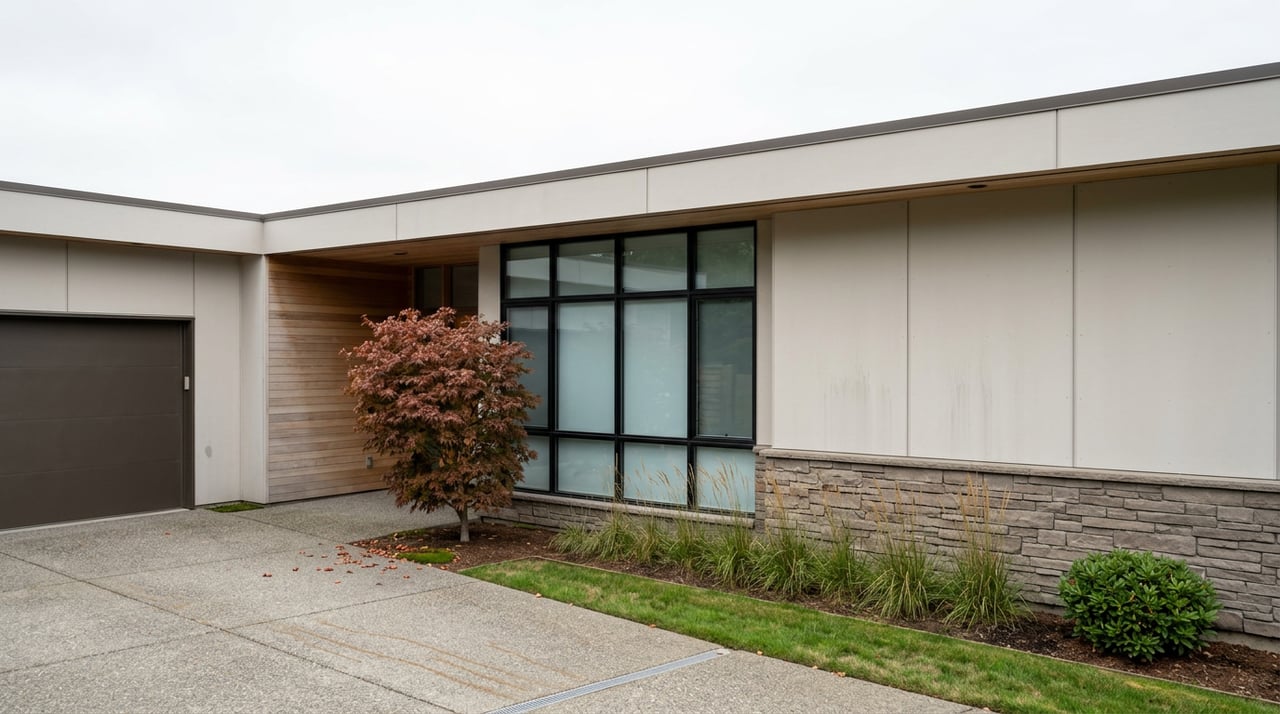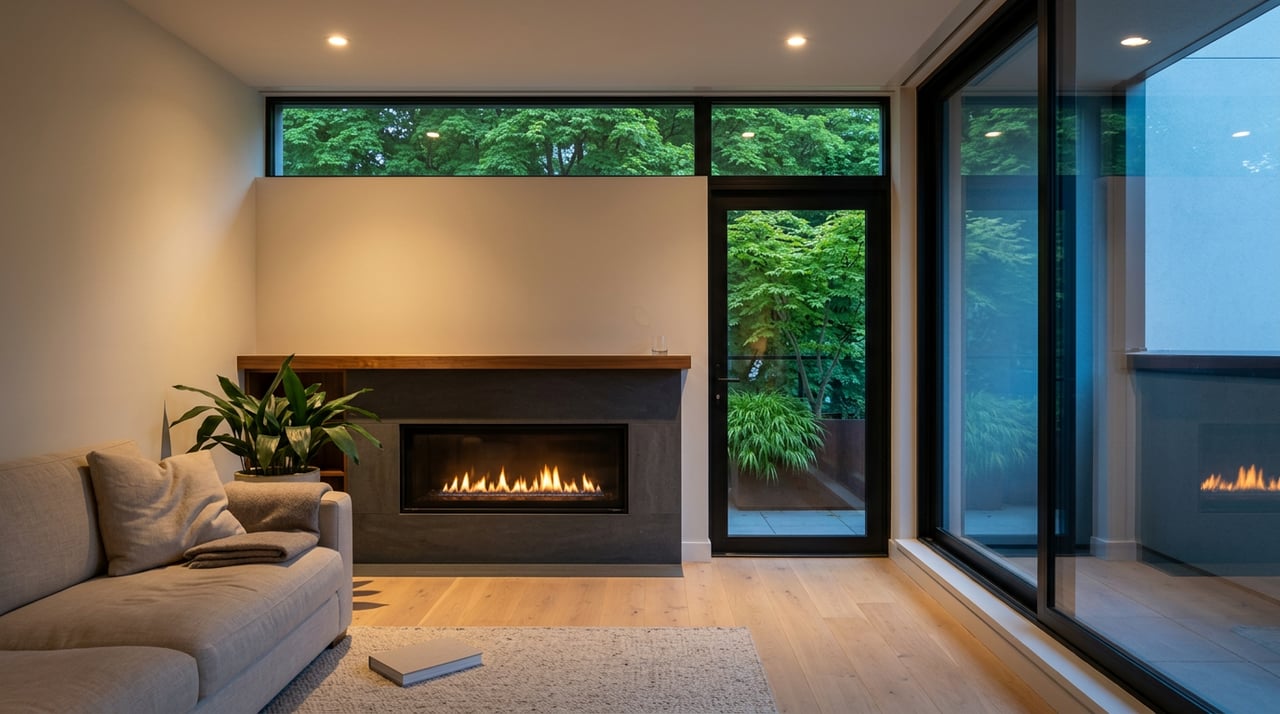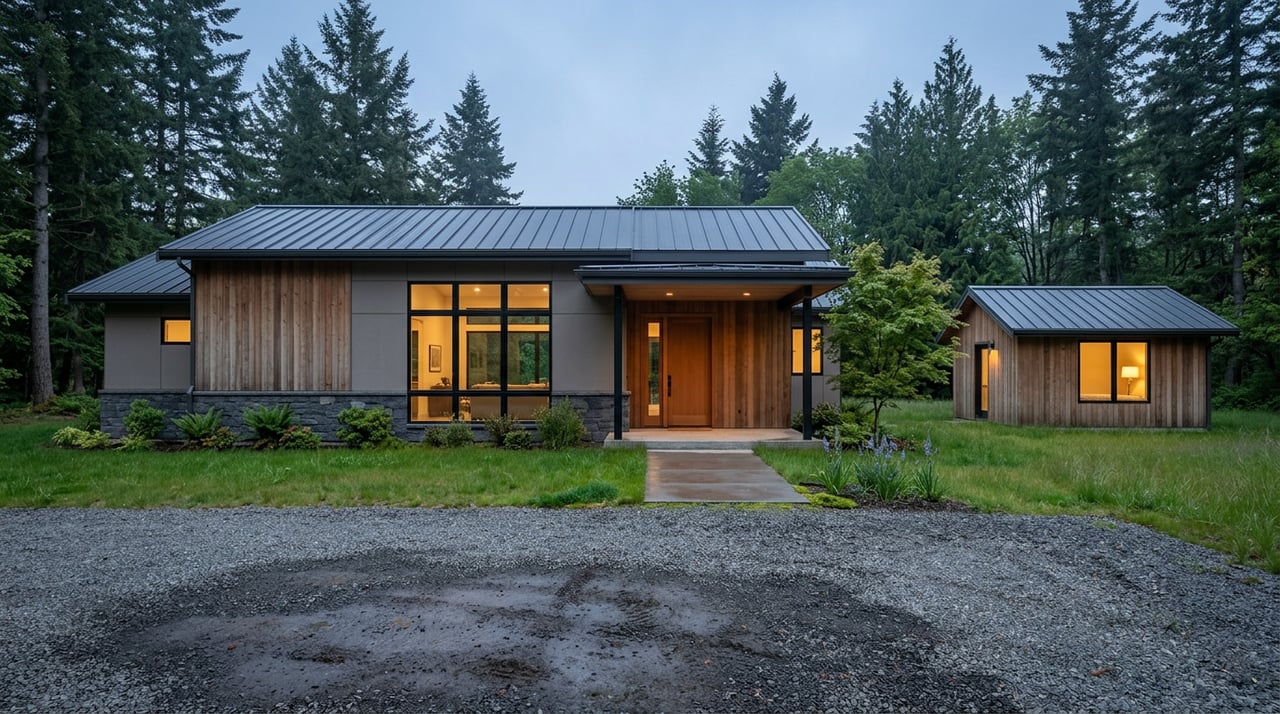
Imagine a place where mornings open to misty forested hills, afternoons stretch across open pasture, and evenings finish under a sky full of stars. If you are craving privacy, outdoor access, and a slower rhythm without giving up reach to the city, Camas Valley in Douglas County deserves a close look. In this guide, you will learn what country living here really looks like, what retreat-style properties typically include, and the due diligence steps that protect your investment. Let’s dive in.
Why Camas Valley appeals
Camas Valley sits along Oregon Route 42 in the Middle Fork Coquille River valley. The setting is classic Coast Range: conifer forests, meadows, creeks, and a quiet rural pace. You come here for space, scenery, and the chance to create a true retreat.
Travel time is manageable for second-home owners and lifestyle movers. The drive to Portland is roughly 200 miles, typically 3.5 to 4 hours under normal conditions, according to a standard routing reference on Travelmath’s Camas Valley to Portland distance. Roseburg, the nearest full-service hub and county seat, is about 25 to 30 miles away, often a 30 to 40 minute drive. The tradeoff for privacy is longer trips for major services, but many buyers find the balance worthwhile.
What properties look like here
Property types range from a few-acre rural homesites to larger lifestyle and timber parcels. Many listings combine a cleared homesite and pasture with timbered slopes. Expect older farmhouses or manufactured homes, plus barns, shops, and fenced areas for hobby farming or storage.
Soils and terrain vary with valley bottoms, benches, and hillsides. Well-drained spots can sit close to seasonally wet pockets, and slopes can influence building and septic plans. Checking soils and site evaluations early can save time and money later. Douglas County’s comprehensive plan and mapping resources reflect a rural sub-basin character and a patchwork of agricultural and forestry uses.
You should also expect active timber in the region. Some parcels are managed timberland or are adjacent to working forests. That can bring occasional logging traffic on shared roads. Always review title, access, and any timber harvest history during due diligence.
Water and water-rights basics
Most rural homes here rely on a private well for domestic water. In Oregon, groundwater and surface water are regulated by the Oregon Water Resources Department (OWRD). Some small-scale domestic uses can qualify as exempt from permitting, but exemptions have rules and recording requirements. Before you write an offer, ask the seller for the well log, the OWRD well ID, and any water-quality tests. Then confirm the well’s status through OWRD resources on obtaining and managing water rights and the state’s exempt well use and recording FAQ.
If the property includes a pond, proposes surface diversion, or uses water for irrigation, you will likely need a valid water right or permit. Do not assume that a pond or creek automatically conveys a right to use water. Your agent can help you request seller documents and guide you to the correct OWRD contact to confirm status.
Septic systems: county process and timelines
Rural properties typically use onsite septic. Douglas County administers site evaluations and construction permits under state rules. A site evaluation looks at soils, depth, slopes, and the required replacement area. During busy seasons, you should plan for a 2 to 5 week queue for county evaluations.
If you are buying a home with an existing system, request the latest permit and inspection records. If none exist, make a favorable county site evaluation a condition of closing. For details, review the county’s site evaluation procedures and criteria. Systems that serve guest cabins, rentals, or larger households may require larger or more complex designs. On sites with challenging soils or slopes, plan for engineered solutions and added cost.
Access, roads, and emergency services
Roads can be public or private. If a property is accessed by a private road or driveway over neighboring parcels, confirm recorded easements and a written road maintenance agreement. Ask who pays for grading, gravel, culvert cleaning, snow removal, and gate upkeep. If the route crosses multiple tax lots, verify every link in the chain of access before you remove contingencies.
Camas Valley is served by a rural volunteer fire protection district. Volunteer districts provide essential coverage, but response times and capabilities differ from urban departments. Plan for clear address signage, year-round access for fire equipment, and on-site water availability where possible. The nearest regional hospital, Mercy Medical Center in Roseburg, provides emergency and inpatient services.
Broadband and utilities
Power is typically overhead electric, with many homes using propane for heat and cooking. If you need capacity for shop equipment, EV chargers, or multiple structures, confirm service and line upgrades with the utility before closing.
High-speed internet is mixed in rural Douglas County. Do an address-level check on the Oregon Broadband Office fixed-service map to confirm fiber, cable, or DSL. Where wired options are limited, satellite and fixed wireless are common. Do not rely on listing language alone. Document actual providers, service tiers, and contract terms.
Wildfire and flood: key risk checks
Wildfire is a natural part of the Coast Range environment. Oregon maintains a statewide hazard map and evolving guidance that can influence insurance, building requirements, and defensible-space best practices. Start with the state’s overview to understand wildfire hazard mapping and policy context. Follow up with a site visit and a risk assessment from the local fire district.
For fuel reduction and home hardening, OSU Extension provides practical, zone-based steps you can implement over time. Review their guide to wildfire fuels maintenance best practices. On timbered parcels, plan for regular thinning, pruning, and debris management every few years.
Flood risk is seasonal in low-lying areas near the Middle Fork Coquille River and its tributaries. Always run the address on FEMA’s Flood Map Service Center to confirm flood zone, potential building requirements, and insurance implications.
Ongoing stewardship and budget planning
Country living trades condo dues for land stewardship. With the right plan, you can keep surprises low and enjoyment high.
- Septic: budget for pumping every 3 to 5 years and reserve for repairs if soils are marginal.
- Wells: test for water quality and confirm yield. Expect eventual pump replacement during long-term ownership.
- Roads and driveways: plan for seasonal grading, gravel, and culvert maintenance. If shared, confirm your annual share in writing.
- Wildfire mitigation: schedule periodic fuels work. Keep defensible space and access clear to support insurance and safety.
- Timber: if you own timbered acreage, consider professional advice on stand health and long-term management.
A due diligence playbook for buyers
Use this checklist to move from “dream” to “done” with confidence.
- Travel time reality check
- Verify drive times for your exact address using a current route planner. For a baseline, see Camas Valley to Portland distance and timing. If you plan weekday trips, test that window too.
- Water source and rights
- Request the well log, OWRD well ID, and recent water-quality tests.
- Confirm status with OWRD’s guidance on obtaining water rights and permits and the exempt well recording FAQ, especially if you plan irrigation, a pond, or expanded domestic use.
- Septic documentation
- Ask for the current septic permit and inspection records. If missing, make a county site evaluation a condition of sale. Review the county’s site evaluation procedures to understand timing and requirements.
- Access and maintenance
- Confirm recorded legal access and a written road maintenance agreement for any private roads or shared driveways. Verify winter access and gate details, plus who pays for upkeep.
- Wildfire and flood status
- Check the statewide overview to understand wildfire hazard and evolving rules. Request a defensible-space review from the local fire district and budget for fuel reduction.
- Run the parcel on FEMA’s Flood Map Service Center to identify zones and any insurance requirements.
- Broadband and utilities
- Do an address-level search on the Oregon Broadband Office map to confirm providers. Call the utility about electric service capacity if you need shop power, an EV charger, or multiple structures.
- Title, timber, and special assessments
- Ask your title team to review any timber harvest notifications, easements, or restrictions. Confirm current property taxes and special districts with the county before closing.
Lifestyle highlights you can enjoy
If life outdoors feeds you, Camas Valley is a natural fit. The Middle Fork Coquille River and nearby creeks support resident trout and seasonal salmon and steelhead runs. Explore the watershed and its context on the Middle Fork Coquille River overview. Always follow ODFW rules and seasonal closures.
Weekends can swing either direction. Head east to Roseburg for services and dining. Go west on Route 42 for small coastal towns, beaches, and national forest trailheads. The blend of forest, river, and coastal reach is what makes a Camas Valley retreat feel complete.
Plan your move with a seasoned guide
Buying country property is exciting, but the details matter: water, septic, access, wildfire, and broadband. With a focused plan, you can secure the right parcel and avoid costly surprises. If you want a strategic partner who treats your search with concierge care and manages the moving parts from offer through closing, connect with Rebecca Lee. Request a Luxury Consultation & Market Valuation and start shaping your Camas Valley retreat with confidence.
FAQs
How far is Camas Valley from Portland and Roseburg?
- Expect roughly 200 miles to Portland, often 3.5 to 4 hours, and about 25 to 30 miles to Roseburg, commonly a 30 to 40 minute drive, depending on route and conditions.
What should I verify about a private well in Camas Valley?
- Ask for the well log and OWRD well ID, confirm whether it is an exempt domestic well, and review OWRD guidance on permits and exemptions before relying on it for irrigation or ponds.
How do I confirm septic status before closing on a rural home?
- Request the current septic permit and inspection records; if unavailable, make a favorable Douglas County site evaluation and a replacement area confirmation a condition of sale.
Is broadband reliable for remote work in rural Camas Valley?
- It depends on the address; check the Oregon Broadband Office map and verify actual providers and speeds, and consider satellite or fixed wireless where wired options are limited.
What steps can reduce wildfire risk and support insurance?
- Maintain defensible space, keep access clear for fire equipment, and follow OSU Extension’s zone-based fuels maintenance to reduce ember exposure and ladder fuels.
Do I need a permit for a pond or irrigation on my retreat property?
- Often yes; surface water use and storage typically require a valid OWRD water right or permit, so confirm status with OWRD before you plan improvements.