Choosing a waterfront condo in Vancouver can feel simple at first. Then you start comparing rooftop spaces, parking options, fitness rooms, storage, pet features, and access to the riverfront itself, and suddenly the details matter a lot more. If you want a home that fits your lifestyle now and still feels practical long term, this guide will help you compare Vancouver Waterfront condo amenities in a smarter, more useful way. Let’s dive in.
Start With How You’ll Live
The Vancouver Waterfront is more than a single building. The City of Vancouver describes it as a 35-acre master-planned riverfront district that can ultimately include up to 3,300 residential units, along with office, retail, hotel, and park space. That bigger picture matters because your daily experience may depend as much on the neighborhood as on the building itself.
Today, condo inventory in the district is centered on Kirkland Tower, which delivered 40 condominium homes. The same city information also shows more than 1,500 apartments are already open or under construction in the broader waterfront area. That means condo buyers should compare not only private building amenities, but also the wider waterfront lifestyle that surrounds them.
Before you weigh any feature, think about your real routine. If you travel often, low-friction services may matter most. If you entertain, gathering spaces may carry more value. If you want an easy lock-and-leave home, secure parking, storage, and building access may matter more than splashier extras.
Focus on Daily-Use Amenities
Some amenities look impressive in photos but do little for your everyday life. Others quietly make living easier every single week. In most cases, the best value comes from features you will use often.
At the Vancouver Waterfront, daily-use amenities commonly include parking, storage, elevator convenience, concierge or valet support, fitness space, bike storage, pet care features, and in some nearby properties, co-work space. These are the amenities that can reduce friction and support a smoother routine.
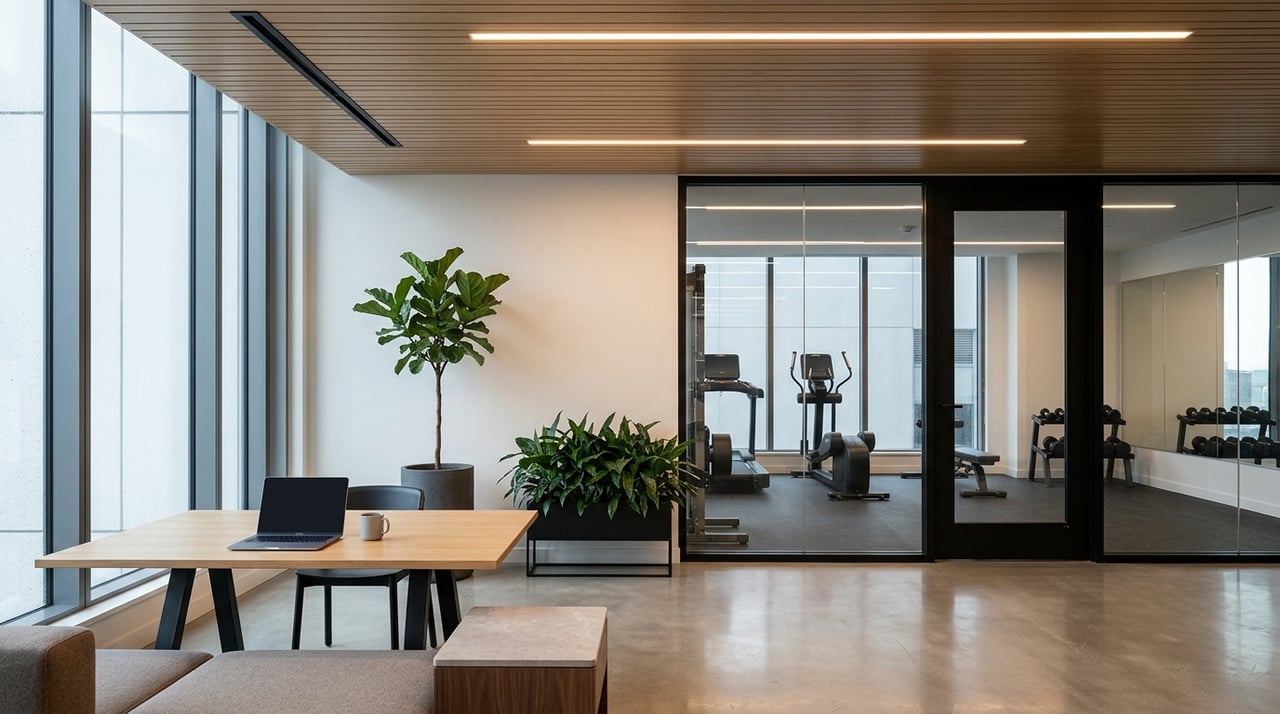
Kirkland Tower’s public amenity list includes concierge service, valet parking, underground parking, private storage, a fitness studio, bike storage, and a pet washing station. For many buyers, that is the core of a strong lock-and-leave setup. If you are downsizing from a larger home, these practical features may be just as important as the view.
When you compare options, ask yourself:
- Do you want parking that feels easy in all seasons?
- Will you actually use on-site storage?
- Is a fitness studio enough, or do you prefer off-site exercise options?
- Do pet features make day-to-day life simpler?
- Would concierge or valet service save you time regularly?
Separate Lifestyle Extras From Core Value
Waterfront buildings often market amenities that create a luxury feel. These can absolutely add value, but only if they match how you live. The key is to separate occasional-use perks from the features that support your routine.
Kirkland Tower also highlights a rooftop terrace with lounge, a BBQ terrace and firetable, a chef’s kitchen and dining room, and a residents’ lounge. These spaces can be excellent for entertaining, relaxing, or hosting family and friends. Still, they are best evaluated as lifestyle bonuses rather than essentials unless you know you will use them often.
Nearby apartment communities show what the waterfront market treats as premium lifestyle benchmarks. Claro at the Waterfront advertises a club room, outdoor courtyard, outdoor BBQ and fireside lounge, hospitality space, co-work space with entertainment kitchen, and EV charging. The Columbia at the Waterfront advertises a resident clubhouse, infinity-edge pool with river views, BBQ area, firepit area, pavilion space, and private parking.
These are apartment examples, not condo examples, but they are still useful comparisons. They show which amenity features are shaping buyer expectations in the current waterfront market. If you are comparing a condo purchase to other high-end living options nearby, those benchmarks can help you decide what feels competitive and what feels essential.
Compare Private, Shared, and Public Amenities
One of the most important waterfront comparisons is not just what exists, but who actually controls it. Some amenities are private to owners. Some are shared with another property or service provider. Some are public neighborhood features that anyone can enjoy.
That distinction matters because private amenities, shared services, and public spaces create different ownership experiences. They may also be funded differently and carry different long-term value.
A practical way to sort them looks like this:
| Amenity Type | What It Means | Why It Matters |
|---|---|---|
| Private building amenity | Reserved for owners or residents | Usually tied more directly to ownership experience |
| Shared service or partner amenity | Access may depend on separate terms or fees | May not be included in standard ownership costs |
| Public neighborhood amenity | Open to the broader public | Expands lifestyle options without being HOA-owned |
Kirkland Tower is a good example of why this matters. Its public materials mention private condo amenities along with access to restaurants, bars, and à la carte services at the adjacent Hotel Indigo. Those hotel services are not the same as HOA-owned amenities, so buyers should ask exactly what is included and what is billed separately.
Count the Public Waterfront as an Amenity
At the Vancouver Waterfront, some of the best lifestyle value sits outside any single building. That is especially important in a neighborhood where public space is a major part of the appeal.
The City of Vancouver describes Waterfront Park as a 7.3-acre park with benches, open lawn play areas, paved trails, play equipment, restrooms, a drinking fountain, and viewpoints. The park also includes the Columbia River water feature and Grant Street Pier. For many buyers, those public features function like an extension of home.
The Columbia River Renaissance Trail adds even more day-to-day value. The city describes it as a paved five-mile path that begins at Esther Short Park and continues to Wintler Park. Visit Vancouver also notes stroller- and walker-friendly access, dog-friendly access, open lawns, green space, and an urban beach for sand play.
The Port of Vancouver says the trail connection through Terminal 1 was largely completed in 2022, creating a seamless riverfront link. If you enjoy walking, biking, casual outdoor time, or taking your dog out without getting in the car, these public assets can be a major lifestyle advantage.
Don’t Overlook Parking and EV Access
Parking is easy to underrate until it becomes inconvenient. On the Vancouver Waterfront, parking should be part of your amenity comparison, not an afterthought.
The Waterfront Vancouver Parking Center opened in August 2024 with 829 spaces, including 83 EV-charging spaces. It also offers covered parking, handicap accessibility, secure and premium parking options, real-time stall availability, license-plate recognition, cashless payment, and 24/7 access for the public and monthly parkers.
That broader parking infrastructure can support the neighborhood even when a building’s own parking setup is limited. If convenience matters more to you than resort-style features, nearby parking access and EV support may carry real practical value. Be sure to compare what is in-building, what is nearby, and what may involve separate monthly costs.
Ask Better Questions During Tours
A polished brochure is a starting point, not the full story. The best amenity comparison comes from asking direct questions that clarify how each feature actually works.
Use questions like these when touring or reviewing building materials:
- Which amenities are truly private to owners?
- Is parking included, deeded, assigned, leased, or extra?
- Is private storage included?
- Are EV charging options available in the building or nearby?
- Are any services offered through a hotel or partner billed separately?
- How often can residents reserve entertaining spaces?
- Are bike storage and pet-care areas convenient and secure?
- Is there a guest suite, or should overnight visitor options be handled another way?
Guest suites are not publicly highlighted in Kirkland Tower’s current amenity list. That does not confirm one does not exist, but it does mean you should ask directly if overnight guest space matters to you.
Review the HOA Side of Amenities
Amenities are only valuable if they can be maintained well over time. In Washington, condo disclosures make this part of the comparison especially important.
Under RCW 64.34, a public offering statement must include key association documents such as the declaration, bylaws, rules and regulations, current or proposed budget, balance sheet, and the association’s current reserve study, if any. The reserve-study disclosure warns that omitted components or underfunding can lead to deferred maintenance, higher future contributions, borrowing, or special assessments.
Washington’s newer common-interest law, RCW 64.90, requires reserve studies to include a reserve-component list, the association’s reserve balance, the percentage funded, funding-rate recommendations, and 30-year balance projections. For buyers, this means the financial side of amenities matters just as much as the lifestyle side.
In an amenity-rich building, ask how long-term replacement and maintenance are planned for major components such as elevators, garage systems, terraces, HVAC, fitness equipment, and exterior finishes. A beautiful rooftop or lounge is only part of the story. You also want confidence that the association is planning for future upkeep in a realistic way.
Build Your Own Comparison Framework
The easiest way to compare Vancouver Waterfront condo amenities is to score them based on your actual priorities. Not every buyer needs the same mix.
A simple framework can help:
Daily convenience
Rate parking, storage, access, fitness, bike storage, and pet support based on how often you will use them. These features often have the biggest impact on everyday satisfaction.
Lifestyle enjoyment
Rate rooftop space, club rooms, dining areas, terraces, fire features, and other gathering areas based on how often you entertain or want extra space beyond your unit. These can be meaningful, but only if they fit your habits.
Neighborhood value
Rate the building’s connection to Waterfront Park, the Columbia River Renaissance Trail, nearby dining, and broader parking access. On the Vancouver Waterfront, public amenities are a major part of the ownership experience.
Long-term confidence
Rate the clarity of HOA disclosures, reserve planning, and what is truly included versus marketed nearby. This is where glossy marketing and practical ownership often part ways.
The Smartest Comparison Is Personal
There is no single perfect waterfront amenity package. The right fit depends on whether you want easy daily living, polished entertaining space, strong lock-and-leave convenience, or the broadest possible access to the waterfront lifestyle outside your front door.
In Vancouver, that comparison is especially nuanced because the neighborhood itself adds so much value. A smart buyer looks at the building, the public waterfront, the surrounding infrastructure, and the long-term financial picture together. When you compare amenities through that lens, you are far more likely to choose a condo that fits both your lifestyle and your future plans.
If you want help comparing Vancouver Waterfront condo options with a sharper eye on lifestyle, building details, and long-term value, connect with Rebecca Lee for a luxury consultation.
FAQs
What amenities matter most in a Vancouver waterfront condo?
- The most useful amenities are usually daily-use features like parking, storage, concierge or valet service, fitness space, bike storage, and pet support, along with any features that make lock-and-leave living easier.
How should you compare public and private waterfront amenities in Vancouver?
- You should separate amenities into private building features, shared or partner services, and public neighborhood assets like Waterfront Park and the Columbia River Renaissance Trail so you know what is truly part of ownership.
Are hotel services the same as condo amenities at the Vancouver Waterfront?
- Not always. Kirkland Tower’s public materials mention access to adjacent Hotel Indigo services on an à la carte basis, which is different from HOA-owned amenities included with the building.
Why does parking matter when comparing Vancouver Waterfront condos?
- Parking affects daily convenience, guest access, and EV charging options, and the neighborhood now includes the Waterfront Vancouver Parking Center with 829 spaces and 83 EV-charging spaces.
What should you review in Washington condo documents before valuing amenities?
- You should review the budget, rules, financial disclosures, and reserve study information required under Washington law to better understand how amenity maintenance and future replacement costs may affect ownership.
Should you compare Vancouver condos to nearby waterfront apartments?
- Yes. Even though apartments are not condos, nearby communities can show which amenities the local waterfront market is using as premium lifestyle benchmarks today.